
Loose Skin After Weight Loss: Why It Happens & What You Can Do About It
Losing weight is a huge accomplishment, one that requires commitment, discipline, and time. But after the fat is gone, many people are surprised by a new challenge: loose or sagging skin.
If you’ve recently lost a significant amount of weight and are struggling with loose skin, know this, you are not alone, and it’s a common part of the process. Let’s explore what causes it, how to manage it, and when to consider further options.
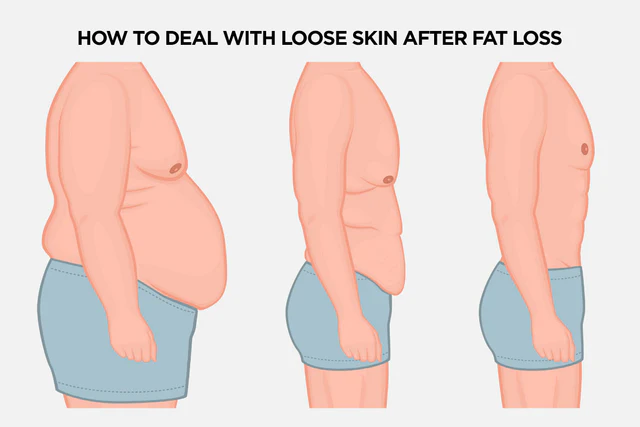
Why Does Loose Skin Happen After Weight Loss?
Skin is your body’s largest organ. It’s flexible and elastic, but it also has limits.
When you gain weight, especially over a long period, your skin stretches to accommodate the extra fat. If that weight is lost quickly or significantly (usually 50+ pounds), the skin may not fully “snap back,” especially if:
- The weight gain lasted for years
- The weight loss was rapid
- You’re older and have less natural collagen
- You have certain genetic or lifestyle factors (like smoking or sun exposure)
Where Loose Skin Typically Shows Up
Loose skin often appears in the following areas:
- Stomach/abdomen
- Arms (“bat wings”)
- Thighs
- Chest
- Neck and face
How much loose skin you have depends on your total weight loss, age, skin elasticity, and how quickly you lost the weight.
6 Ways to Improve or Prevent Loose Skin
While loose skin may not go away completely without surgery, there are steps you can take to improve your skin’s appearance and elasticity.
1. Lose Weight Gradually
Crash diets and rapid weight loss increase the likelihood of loose skin. Aim for 1–2 pounds per week, allowing your body — and skin — time to adjust.
2. Build Muscle Underneath
Strength training helps “fill out” the space under the skin with lean muscle. It can reduce the sagging appearance and give your body a more toned look.
3. Stay Hydrated
Proper hydration supports skin elasticity and overall health. Aim for at least 8 cups (2 liters) of water daily.
4. Eat Collagen-Boosting Foods
Skin elasticity is largely due to collagen and elastin. Support your body’s production with:
- Protein-rich foods (eggs, chicken, fish)
- Vitamin C (citrus, berries, peppers)
- Bone broth or collagen supplements (if desired)
5. Use Firming Creams (with Caution)
Some creams with ingredients like retinol, hyaluronic acid, or collagen peptides may improve skin tightness temporarily. Results vary, and they’re best used as part of a broader strategy.
6. Massage & Skin Care
Regularly massaging the skin can increase blood flow and encourage new collagen formation. Dry brushing and exfoliation can also help improve texture.
When to Consider Surgery
In some cases, loose skin removal surgery (body contouring) might be the best option, especially if:
- The excess skin causes rashes, infections, or hygiene issues
- It interferes with movement or exercise
- It significantly affects your mental health
Common procedures include tummy tucks (abdominoplasty), arm lifts, and thigh lifts. Always consult a board-certified plastic surgeon for guidance.
Real Talk: Loose Skin Is Normal and Human
Yes, loose skin can be frustrating. But it also tells a powerful story — that you put in the work, transformed your body, and took control of your health.
Try to reframe how you see your skin: it’s not a flaw, it’s a sign of strength and progress.
Final Thoughts
Loose skin after weight loss is common, and while it can be emotionally challenging, it’s also manageable. With the right approach — including strength training, proper nutrition, hydration, and self-care — you can improve how your skin looks and feels.
And remember: your journey is about health, strength, and confidence. Skin doesn’t define your success — your resilience does.
Need help building muscle post-weight loss? Check out our training programs and nutrition guides designed for real, lasting results.
Would you like me to tailor this blog for a specific audience (e.g., women, older adults, post-bariatric patients) or brand tone (edgy, scientific, casual)?